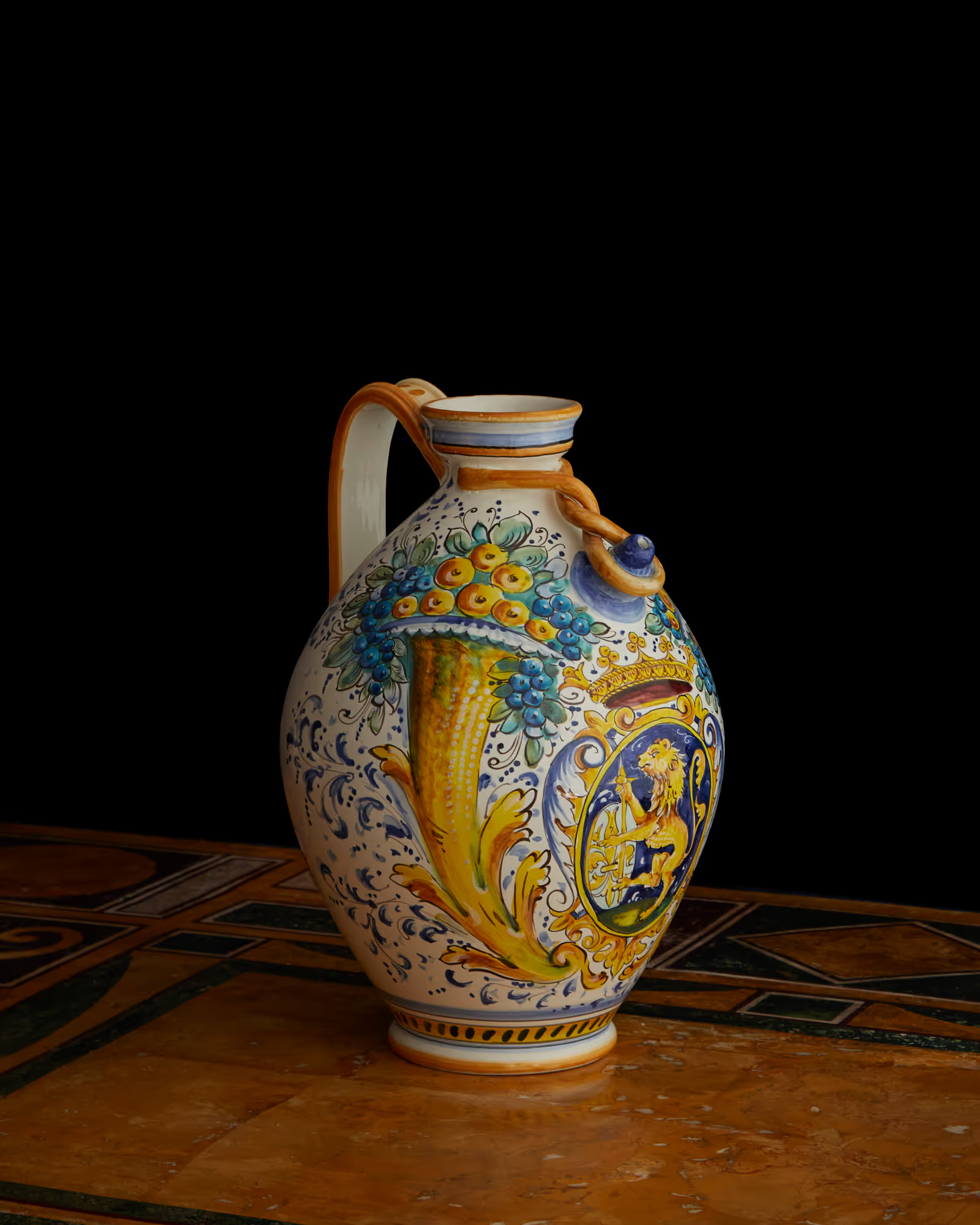
The visual impact of this versatoio is anchored by vibrant cornucopias flanking a central heraldic crest. Rooted in classical antiquity as the horn of Amalthea – the ultimate symbol of boundless abundance – the cornucopia was a favoured motif among the Renaissance elite to signal prosperity. While the foundational form of the pouring jar originated for basic utility, the lavish application of tin-glaze pigments strips this object of any functional purpose: it was commissioned exclusively to project dynastic wealth and social standing.
Constructing a piece with such specific appendages – namely the prominent pouring spout and sweeping handle – required exceptional structural consideration at the wheel. Furthermore, executing the intricate botanical detailing was a highly demanding process. Artisans painted directly onto the porous, unfired tin glaze with absolute speed and accuracy, as the absorbent surface allowed for no corrections. The subsequent high-temperature firing introduced extreme risks: demanding masterful thermal control to ensure the delicate clay appendages did not warp or crack before the intricate chemistry of the glazes could successfully fuse.

