

Our Story
Art is only the echo
Philosophy
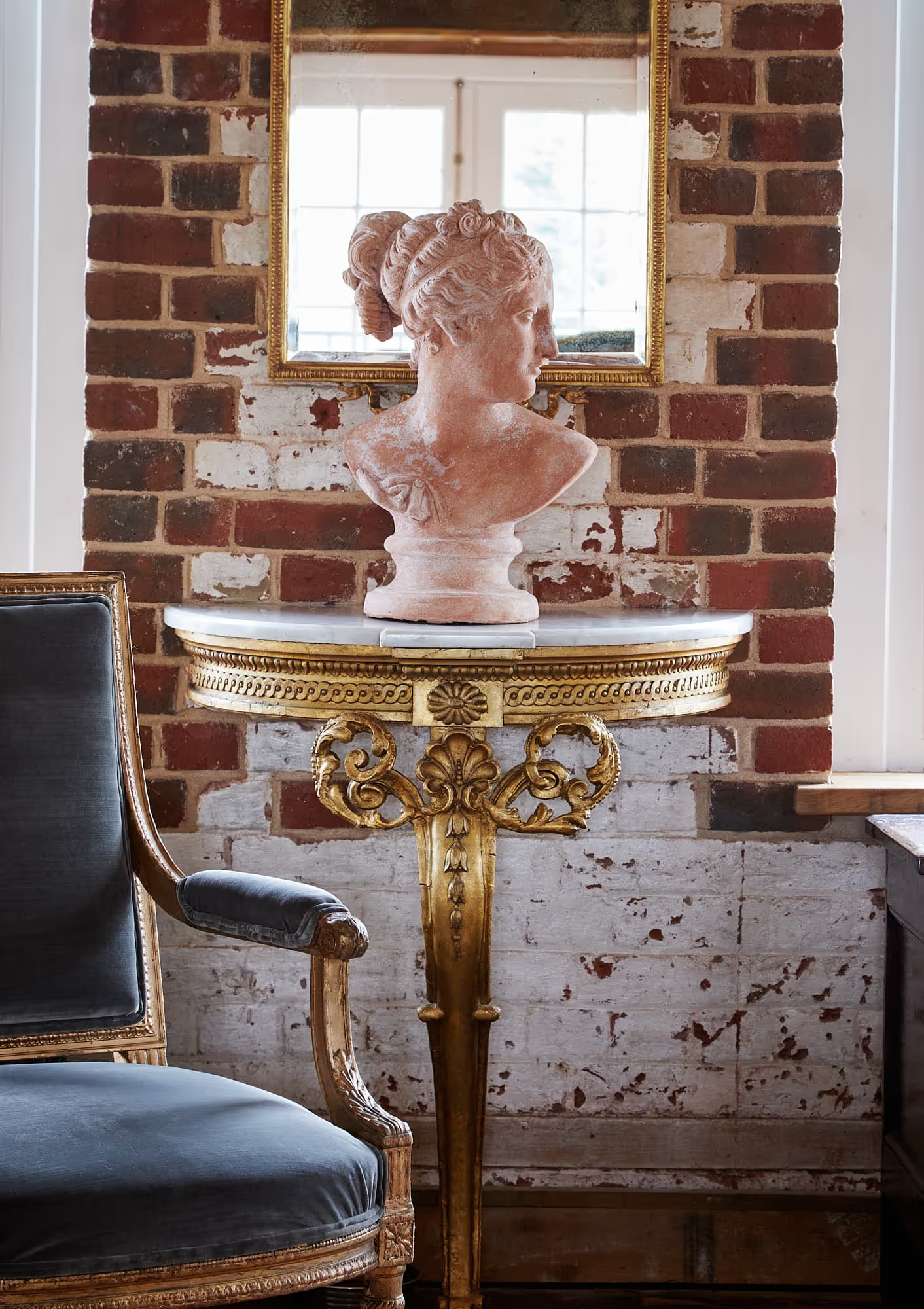
The object is not art. The true art is the profoundly personal journey the creator undertakes to bring it into existence; the physical piece is simply the echo of that process. Whether you believe this artistic journey is a window into the divine or a glimpse into the very best of human consciousness, it resonates with a truth that rings far beyond the eye, beyond the ear, and beyond the senses.
This ancient relationship we have with art is how we make sense of our reality. In an era increasingly defined by the technological and the transient, it is vital to remember why the humanities matter. To be human is to be driven by an inescapable need to create. When we welcome these rare objects into our homes, we are not merely filling a space; we are paying homage to that profound, enduring connection.
The works we curate are monuments to the Italian spirit of invention. Whether captured in the ancient, unyielding texture of Impruneta terracotta, the vitrified brilliance of maiolica, or the captivating, almost fluid movement of scagliola, they are born from a fleeting human endeavour, yet they endure. They become members of our lives—acting as guardians and silent watchers, bearing testament to our time on earth.
Beginnings & Legacy
Our story is, at its heart, the evolution of a family business. It begins in Tuscany in the 1990s, born from the meeting of two distinct but entirely complementary worlds.
My mother, raised in Lucca, was a dedicated classicist and philosopher who came to Oxford to read experimental psychology. She possessed a profound belief in the energy of objects—that what we surround ourselves with in our lives impacts us far beyond the purely aesthetic. My father’s roots were anchored in the earth. Having grown up establishing wildlife parks in the Norfolk Broads and the rugged coast of Argyll, he had an innate reverence for what nature could teach us. He spent a decade in Italy, training in garden design and horticulture among the master nurseries of Pistoia.
Together, they were captivated by the noble heritage of Impruneta terracotta and the masterful skill of its potters. In 2000, they returned to England to share their love of pottery and this craftsmanship with the UK. They opened Tuscan Pots at 65 Botley Road, in Oxford, a city that has traded ideas and art with Florence since the Renaissance. For two decades, it operated as a beloved shop, a place where selling was always secondary to meaningful conversation.
In 2021, during the profound quiet of the Covid pandemic, the sudden passing of my mother shifted the axis of our world. At the time, I had recently graduated from Cambridge, where I studied music, and was balancing a solo singing career with directing a singing programme at Harrow School.
This new era – the introduction of maiolica, the curation of the Masterworks Collection, the championing of scagliola and artists such as Jilly Bernard – is a direct response to her legacy. She believed deeply in the philosophy of the classical world and in the people who dedicate their lives to historical works of creation. To pursue this uncompromising standard of excellence is our way of honouring her eye, her intellect, and her belief that human creation is inherently special.
Today, House of Moy stands as a reminder that technology, for all its marvels, is not the entirety of human experience. Rather, it is the depth of the humanities – art, history, philosophy, and music – that fully enables us to engage with and appreciate the modern world. We exist as a place of open-minded curiosity and learning, where the artistic journey is honoured above all else.
Father and Son
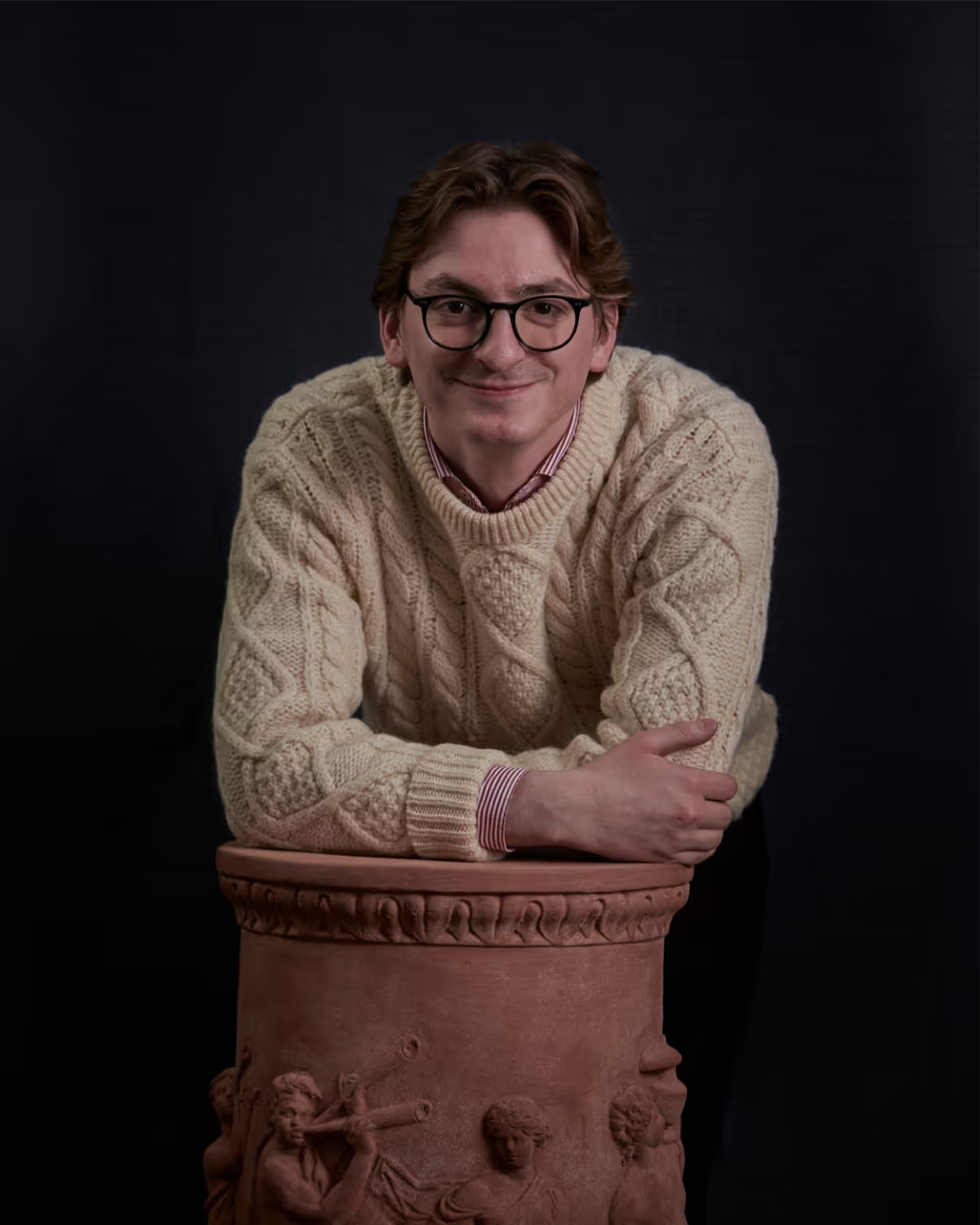
Tom Moy
A classicist and musician by training, his curation is driven by a deep belief in the humanities, ensuring the gallery remains a space where the profound, personal journey of the artist is honoured above all else.
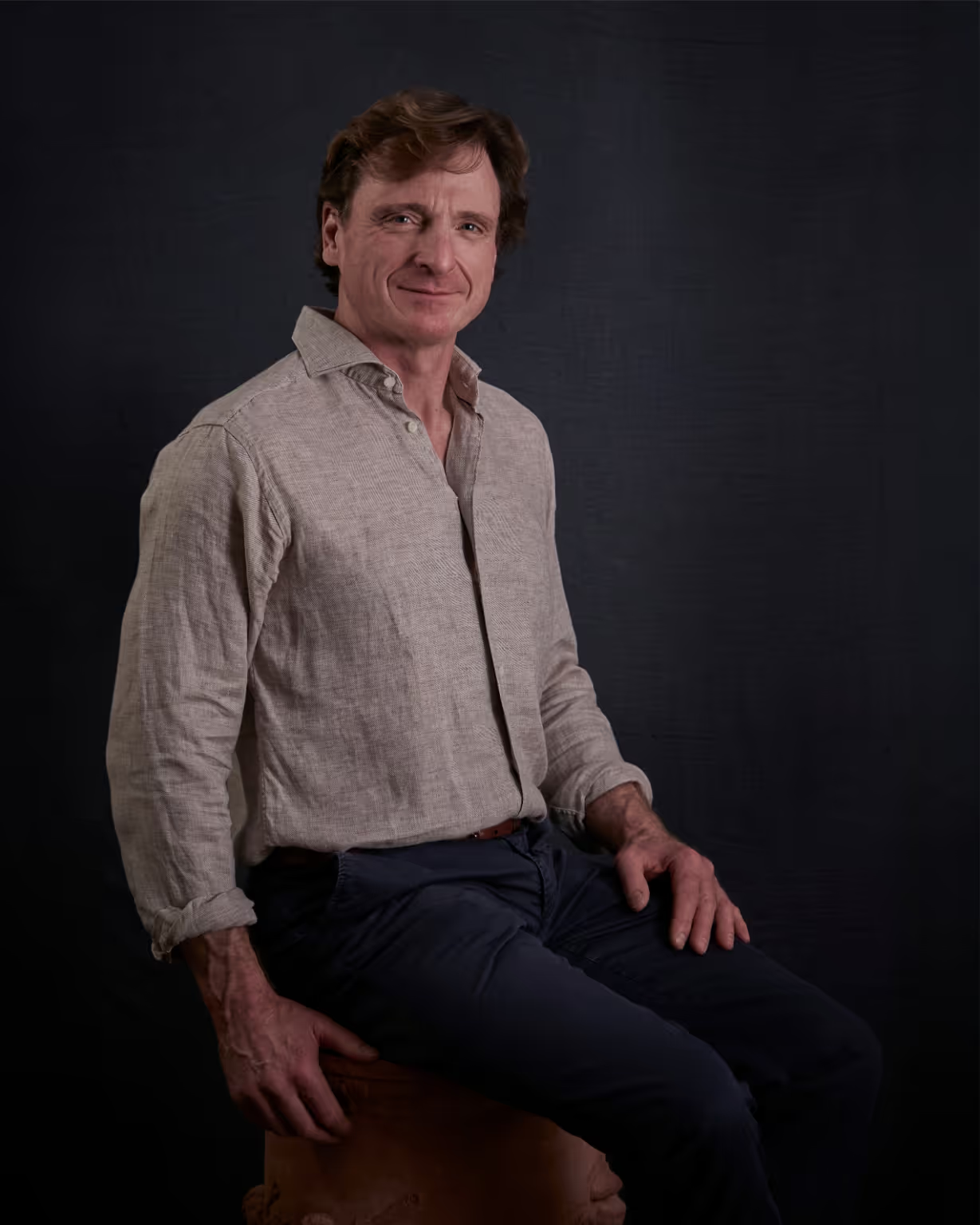
Robert Moy
With a lifetime rooted in the natural world and the master nurseries of Pistoia, his eye for the noble heritage of Italian craftsmanship is the bedrock of the gallery. He brought the first Impruneta terracotta to Oxford over two decades ago, establishing a standard of material excellence that remains uncompromising today.