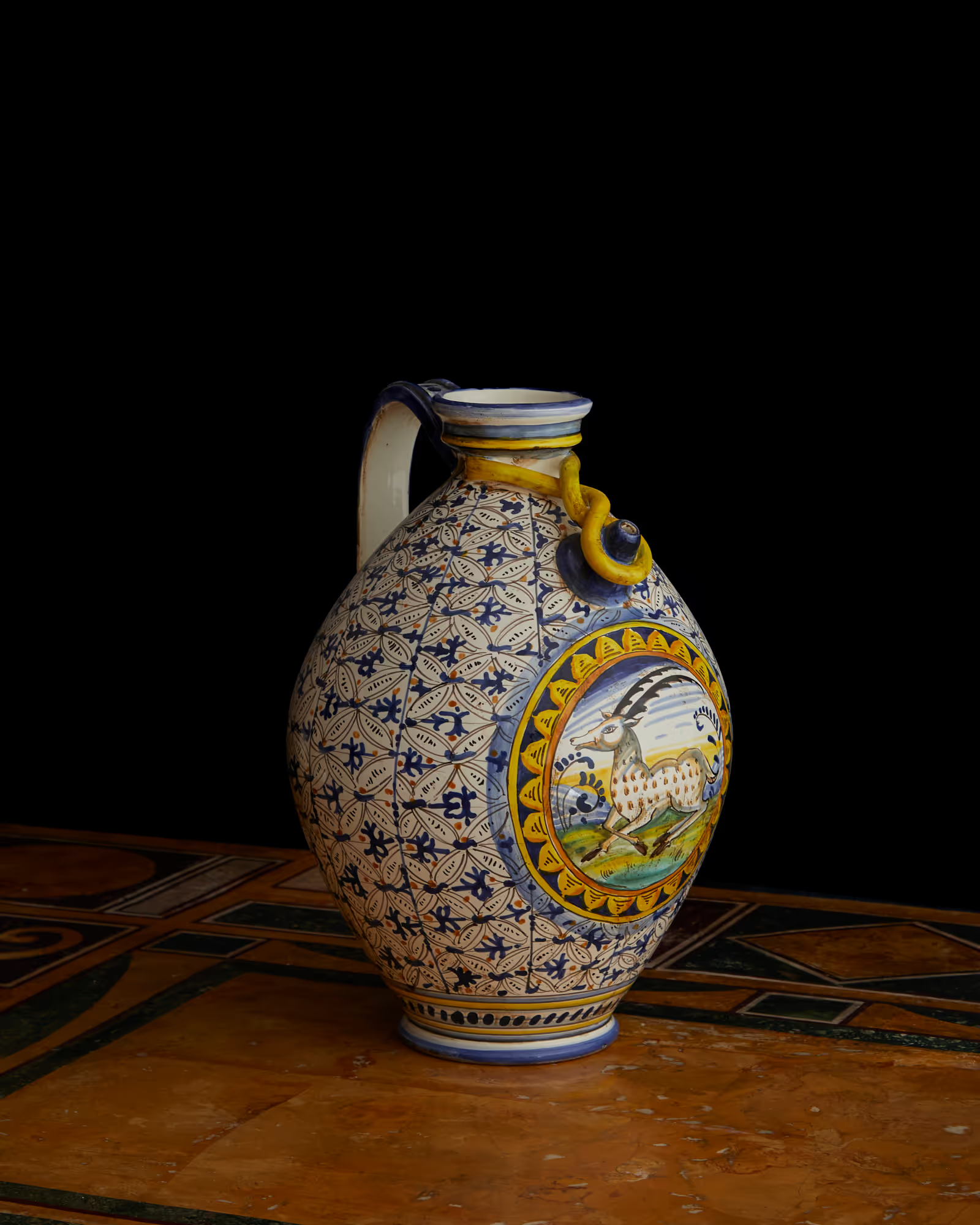
The visual presence of this versatoio (pouring jar) is defined by a central medallion depicting a gazelle – a motif rooted in the deep trade connections between Renaissance Italy and the Near East. The inspiration for European maiolica almost certainly originated in the Islamic world; the fundamental technology of using tin as an opacifier and cobalt for decoration was perfected in 9th-century Iraq and Iran. This piece pays direct homage to those origins – even the cobalt pigment used for the blue linework was a precious import from the Middle East. While the form originated for pouring liquids, an object as highly ornamented as this served strictly as a display of wealth and intellectual curiosity.
Constructing a piece with such specific appendages required exceptional structural consideration at the wheel. Furthermore, the application of the intricate, repeating "carpet" pattern was a highly demanding process. Artisans painted directly onto the porous, unfired tin glaze with absolute speed and accuracy, as the absorbent surface allowed for no corrections to the fine blue and antimony yellow linework. The subsequent high-temperature firing introduced extreme risks: demanding masterful thermal control to ensure the delicate spout and handle did not warp before the intricate chemistry of the glazes could successfully fuse.

