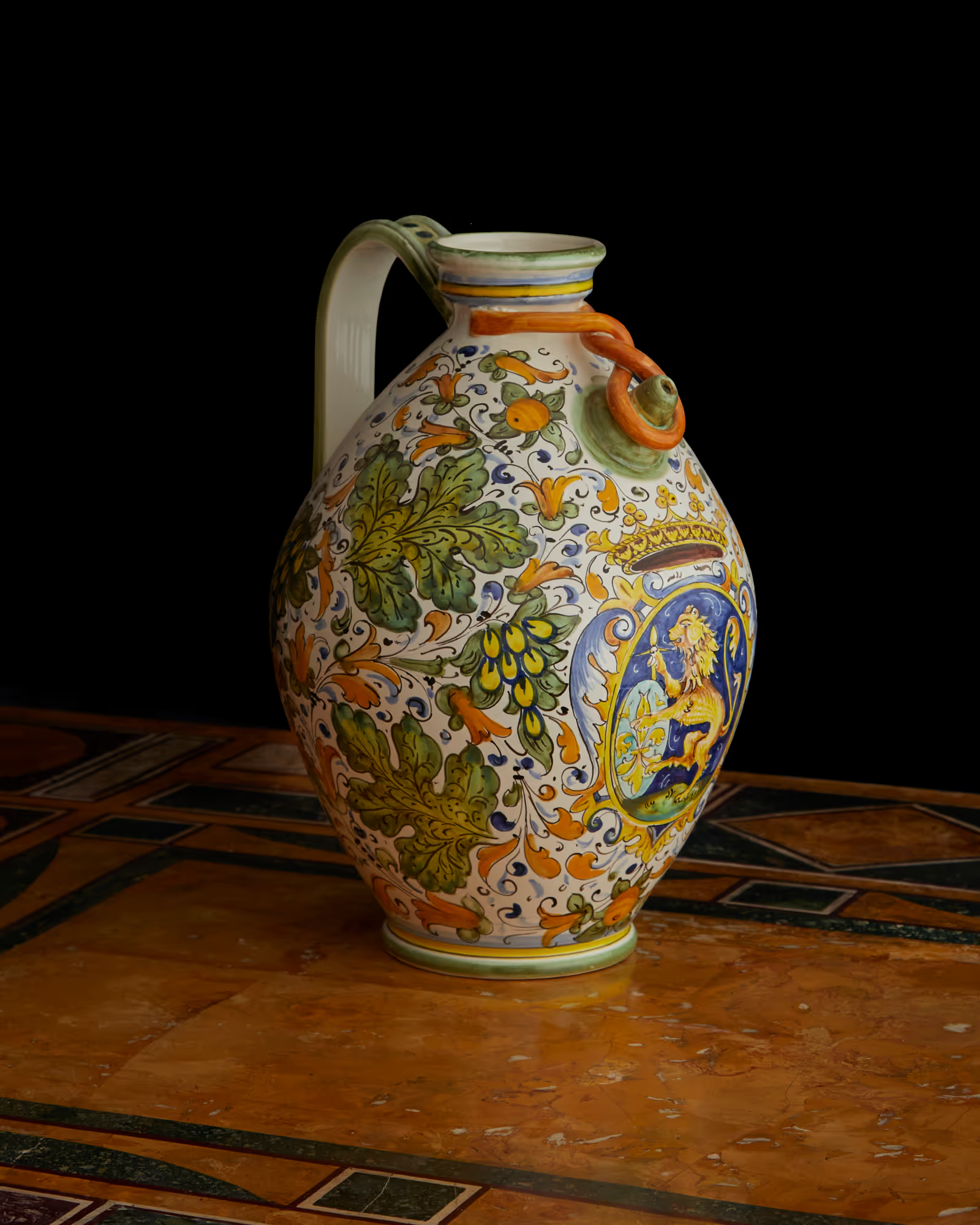
The visual impact of this versatoio is dominated by a central heraldic crest – depicting a rampant lion beneath a coronet – surrounded by a dense, intricate network of vine leaves and fruit. While the foundational form of the pouring jar originated for basic utility, specifically the serving of water or wine, the lavish application of tin-glaze pigments strips this object of any functional purpose: it was commissioned exclusively to project dynastic wealth and social standing. The deliberate use of vine leaves and grapes anchors the piece to the agricultural heritage of the region, yet the execution remains entirely aristocratic.
Constructing a piece with such specific appendages – namely the prominent, intricately twisted pouring spout and sweeping handle – required exceptional structural consideration at the wheel. Furthermore, executing the botanical and heraldic detailing was a highly demanding process. Artisans painted directly onto the porous, unfired tin glaze with absolute speed and accuracy, as the absorbent surface allowed for no corrections to the delicate linework. The subsequent high-temperature firing introduced extreme risks: demanding masterful thermal control to ensure the projecting clay appendages did not warp or crack before the intricate chemistry of the glazes could successfully fuse.

