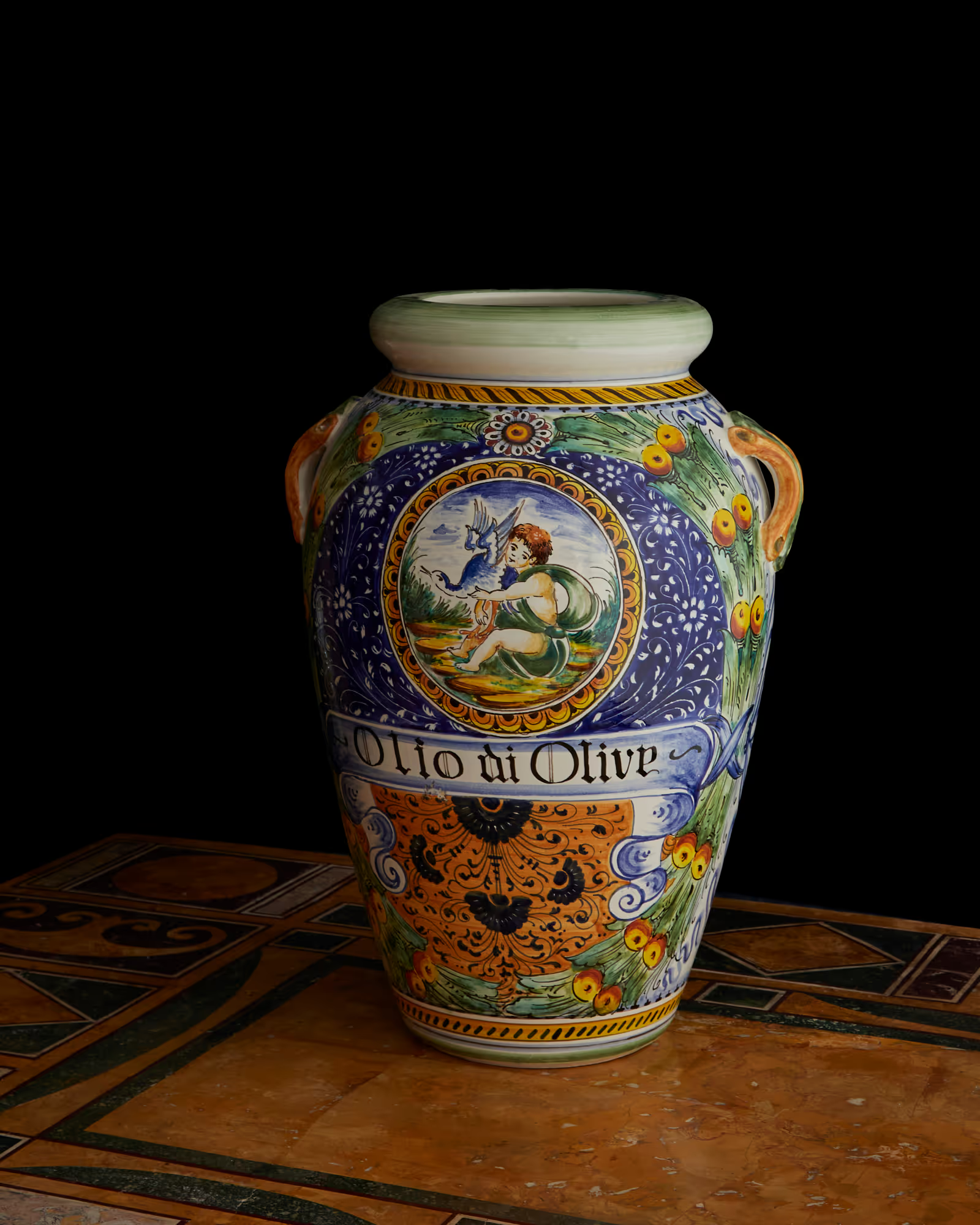
The visual presence of this piece is defined by the central medallion depicting a classical putto – a recurring motif in Renaissance humanist art – set above a prominent banner reading "Olio di Olive". While the foundational orcio form originated for the bulk storage of estate oil, the lavish application of cobalt blue and antimony yellow pigments strips this object of its agricultural utility. The ornate, apothecary-style script elevates the mundane substance of oil into a celebrated commodity, proving this piece was commissioned exclusively to project dynastic wealth and status rather than to sit in a cellar.
Constructing an object of this scale required exceptional structural consideration at the wheel. Furthermore, executing the detailed figurative work and continuous geometric patterning was a highly demanding process. Artisans painted directly onto the powdery, unfired tin glaze with absolute speed and accuracy, as the porous surface absorbed the pigment instantly and allowed for no corrections. The subsequent high-temperature firing introduced extreme risks: demanding masterful thermal control to ensure the heavy clay body did not warp or crack before the intricate glazes could successfully fuse.

