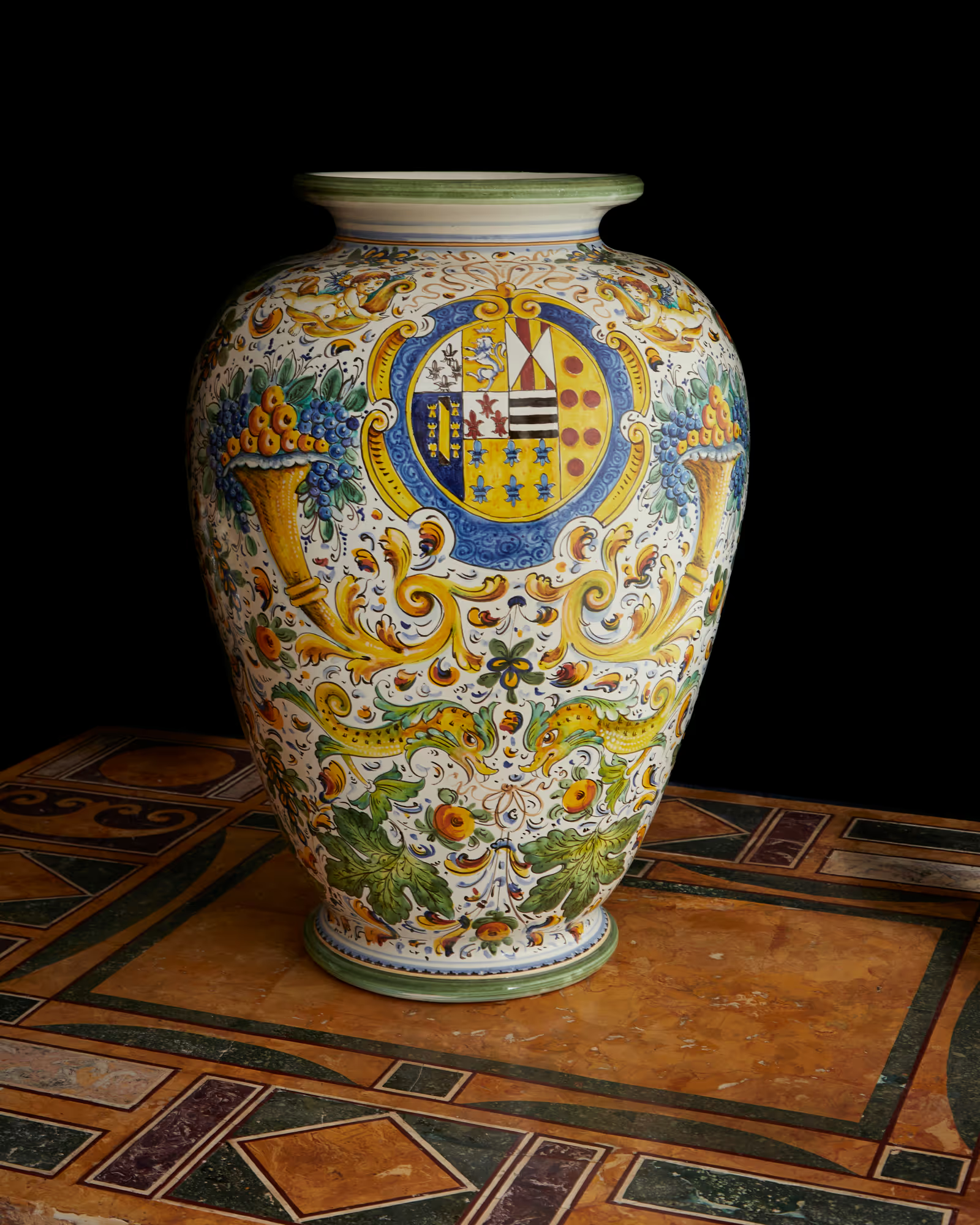
The visual impact of the largest piece in the maiolica collection is defined by its staggering scale and complex classical symbolism. The central heraldic shield is quartered with multiple dynastic insignias, prominently featuring the Medici palle; a clear declaration of high-ranking political alliances. This crest is flanked by massive cornucopias. Rooted in classical mythology as the horn of the river god Achelous – famously torn off by Hercules in battle – or the divine goat Amalthea, the cornucopia is the ultimate Renaissance symbol of divine bounty. Guarded by classical sea creatures below and celestial putti above, this towering object was entirely stripped of any agricultural utility: it is a masterpiece of political propaganda designed strictly for grand architectural display.
Constructing an object of this monumental height required immense structural consideration at the wheel to ensure the wet clay could support its own immense weight. Furthermore, the application of the sweeping, highly detailed botanical and heraldic decoration was a highly demanding process. Artisans painted directly onto the porous, unfired tin glaze with absolute speed and accuracy, as the absorbent surface allowed for no corrections to the intricate linework. The subsequent high-temperature firing introduced extreme risks: demanding masterful thermal control to ensure the massive clay body did not collapse before the vivid chemistry of the glazes could successfully fuse.

